

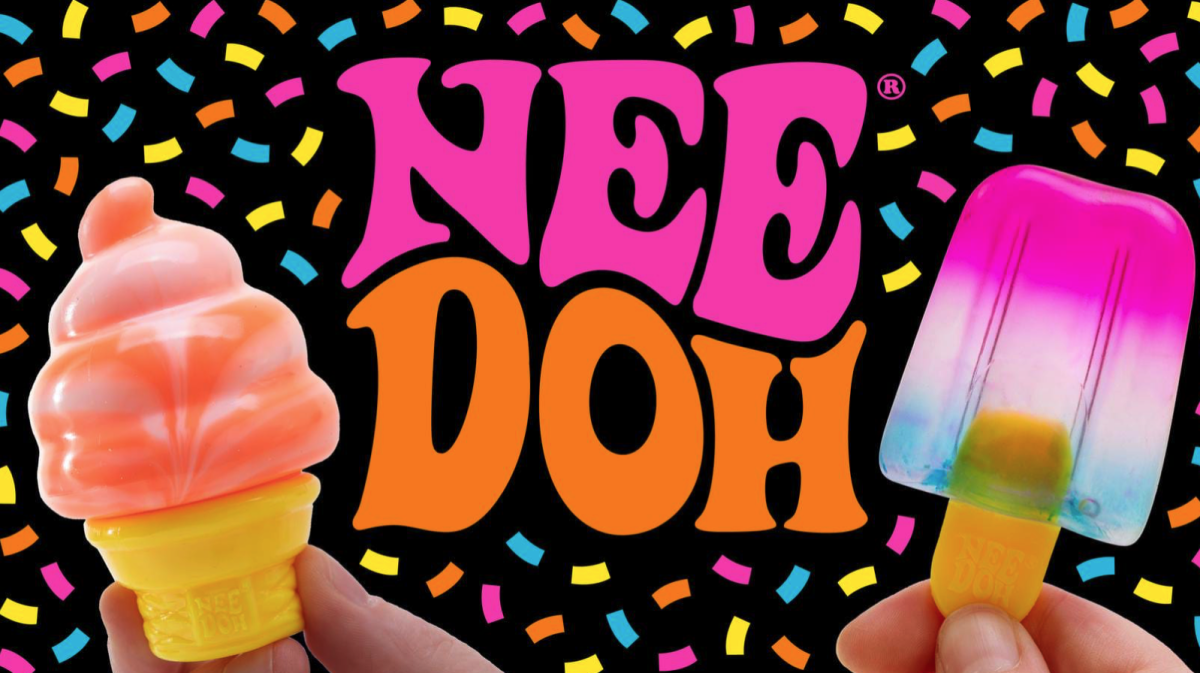
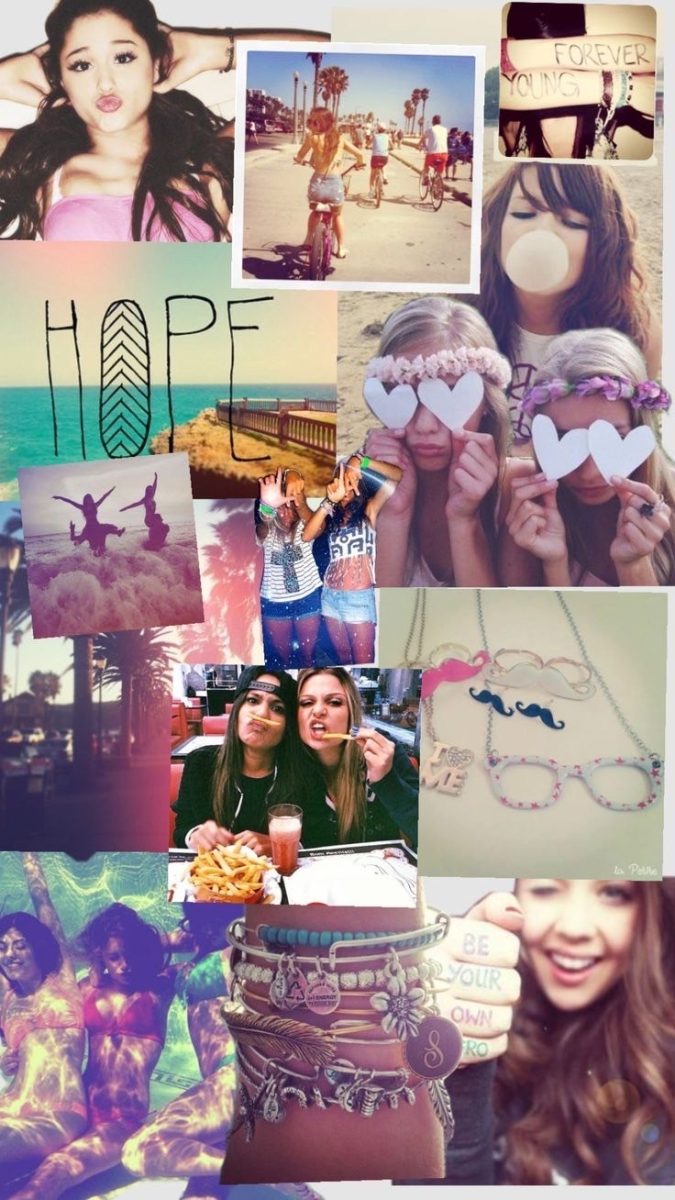
Ten years later, the year 2016 is making a cultural comeback. Trends often reemerge a decade after their peak, and social media has been flooded with posts reviving the 2016 aesthetic, bringing back not only the fashion and music, but also the cultural mindset associated with the era.
For many, 2016 stands out as the last year of normalcy before the COVID-19 pandemic reshaped daily life. Before the pandemic, social media did not dominate routines the way it does today. People spent more time offline, engaging in face-to-face interactions and living in the moment rather than documenting every experience online. The pressure to curate a perfect online persona was far less present.
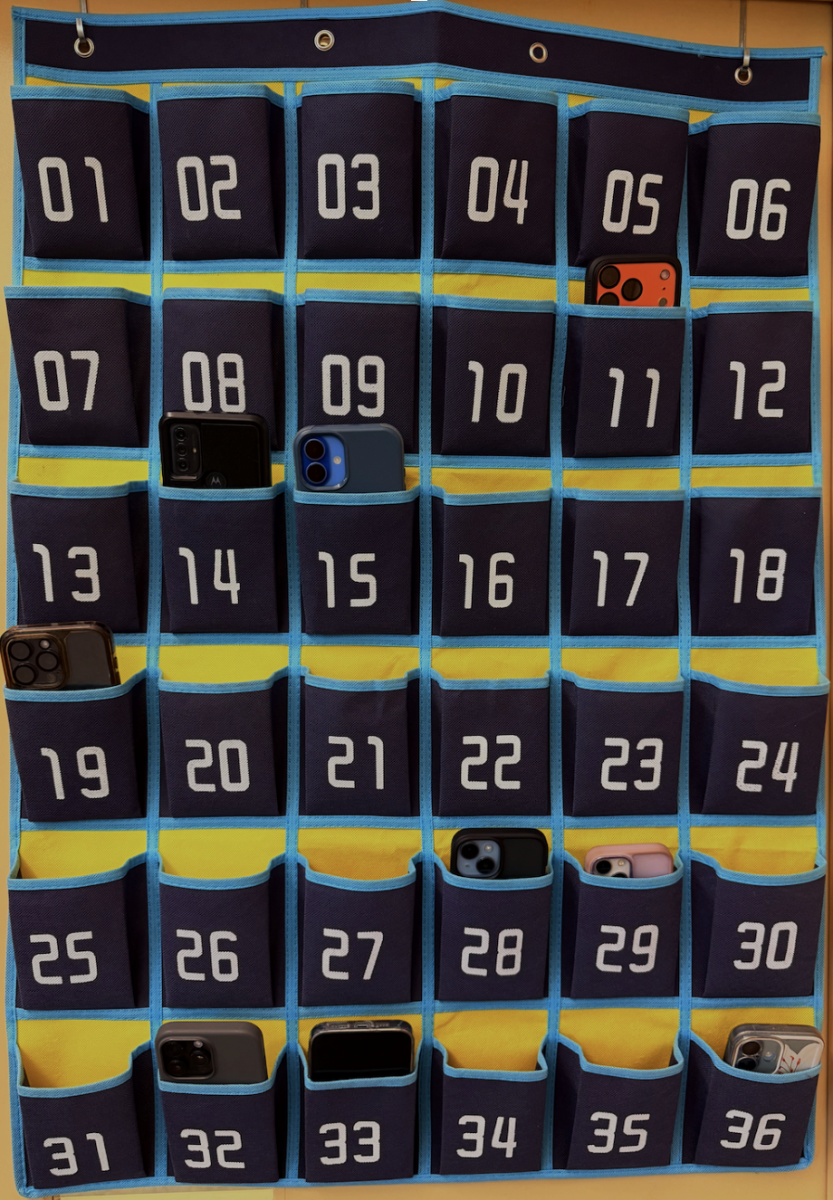
“It was great living in 2016. I feel like that was such a prime time to live in and experience,” senior Briana Silva said. “No technology was needed to have fun. Everyone used to be outside, and not everyone was stuck on their phones.”
That sense of freedom is a major reason the era resonates so strongly today. As people revisit 2016 through music, fashion and festivals, they are also reconnecting with memories of a time that felt more predictable and carefree. Bringing this renewed interest to social media highlights how deeply the pandemic altered social behavior and how society continues to search for ways to reclaim that lost sense of ease.
“What makes 2026 nostalgic is the cycle. It’s been 10 years, so music, fashion and festivals are coming back. It was also the last carefree era before COVID-19 started, ” junior Emma Corona said.
Tiktok has played a significant role in the revival. Content creators frequently use songs released in 2016 while recreating popular dances, video edits and challenges from the time. Music, in particular, holds powerful emotional connections, and listening to familiar songs a decade later often evokes memories of friendships and simpler routines.
“What makes it so memorable was my friends,” freshman Jay Flores said. “We always used to walk around at sunset listening to Justin Bieber, Drake, Rihanna, Katy Perry and Fetty Wap. Now, when I hear these songs, I miss how times once were.”
The trend has bled off social media and into everyday life. As society shifts this year, we are moving back into the fashion of 2016, from low-rise jeans to vintage accessories, which are Silva’s personal favorites. In addition to the low-rise, more jeans have appeared in updated styles, including baggy fits and flared silhouettes, offering more variety than the original trend.
For many, the nostalgia is rooted not only in clothing or music, but in the emotional freedom they associate with the era.
“My favorite part of 2016 was the music, the vibes, the dance challenges and the trends we were following, like the Starbucks Unicorn Frappucino and the fashion. Most importantly, it was how careless and free I felt during that time,” Corona said.
Music and dance trends encouraged self-expression and participation without fear of judgement. Because so many people were involved, individuals felt more comfortable experimenting with their identities.
“I feel like 2016 was full of freedom because it wasn’t controlled by technology and everything was simple. You could try new styles and new things without having the fear of not fitting in,” Flores said.
In 2016, there was less pressure to curate a perfect online persona, allowing more room for experimentation and authenticity. While that freedom is harder to find in 2026, the resurgence of 2016 trends reflect a continued desire for self-discovery and expression. Though the trends themselves are a decade old, the feelings attached to them remain powerful, fueling a collective yearning for connection, freedom and a return to a time that felt unburdened by constant digital pressure.