
















The fantasy football landscape develops and reshapes each year. Every year analyst rankings of the top 25 players drastically differ from week 1 to week 14. As simple as it may seem to draft the guys with the highest numbers, all of those numbers have stories, stories that tell you exactly how valuable your players are. Translating these numbers into stories is the essence of how to identify a consistency in the wild fantasy world.
Following the draft far too many fantasy managers take up the mindset that all that there is left to do is setting their lineup each week, and then it’s just following their team’s scoresheet on Sunday. These are the same people who watch year after year as breakout stars like Cam Skattebo and Emeka Embuka show that there is so much more to be done. Far too often, managers believe that the game is as simple as reading projections and choosing the bigger numbers. Dumbing it down like this is what leads to losing seasons.
In reality, it’s so easy to do the small things after the draft that bolsters your lineup every week, getting a read on every and any player, identifying potential breakouts, weaponizing and using your bench effectively, and navigating your matchups. If you want to be serious about your success, you need to plan ahead for your bye weeks, because waking up Sunday morning to find two receivers on bye is a recipe for losing.
Numerous factors go into fantasy football, but unlike most, upside isn’t a statistic. Upside is a projection of how a player can potentially become more valuable over a period of time. A common example of a player with upside could be a rookie drafted into a backup role to an unconvincing starter, and especially a backup behind an injury-prone first string. Even a weak receiver core can be beneficial to your running back. Anything that can cause your player’s volume to go up in their team’s offence is a factor in upside. Variables like a developing quarterback, or even a new head coach or coordinator could jump start that team’s offence and boost your player’s success.
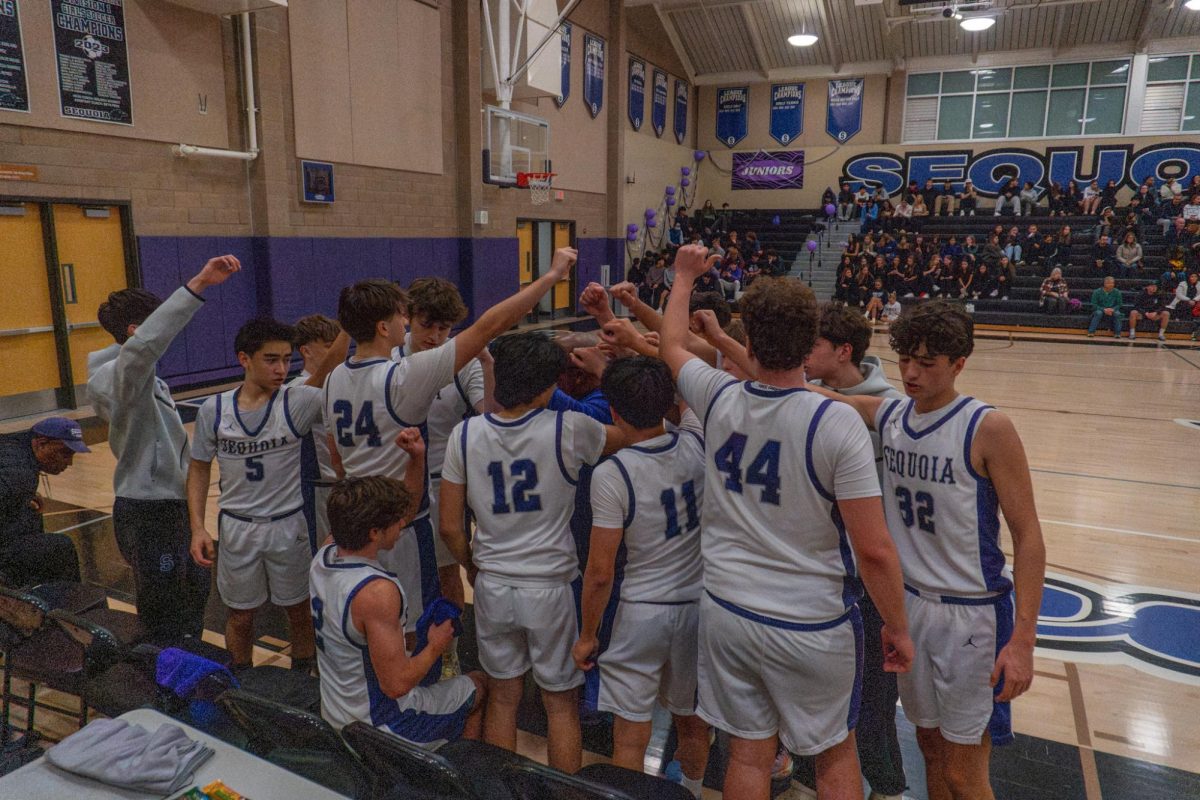
There are so many ways to plan your draft but Sequoia sophomore Clinton Cheng uses a more uncommon method.
“Towards the seventh or eighth round is when I take a quarterback because there’s a lot of serviceable quarterbacks available late in the draft, but the skill positions are hard to make up for,” Cheng said.
Don’t forget to look for low ceilings. Remember, if the quarterback can’t make the throw, the receiver can’t catch it. Additionally, far too often it’s the rookie quarterback that is overhyped, causing their receiver’s perceived value to soar. In a deeper dive, check your player’s offense’s passing to rushing ratio – your player is only as good as the number of times he gets the ball.
An aspect that can never be overstated, and the most strategic part of fantasy football following the draft, is the bench. To maximize the use of your bench, there are key strategies: rotate out your underperformers for sleepers and players with good matchups in that particular week; hold on to a reliable backup quarterback for bye weeks (and in case of an injury); have a backup tight end, as tight ends are more often than not inconsistent and unreliable; and keep four flex players (wide receivers and running backs) to fill in for your injured players and when your starters hit bye weeks. Keeping an active bench each week is the only way to improve your team, and there are plenty of players picked up each year who will outperform your starters if you neglect to check the waiver wire.
Sequoia sophomore Logan Deitrich shared advice regarding injuries (note: Deitrich drafted Calvin Ridley).
“The first player on the depth chart of any team, if he’s going to be out, I look for the backup, because then the number two will have a good game in place of them,” Deitrich said.
Every week, players have different projections for different reasons, but primarily projections will fluctuate to the strength of the defense your player faces. Most fantasy apps will give you a defensive ranking for the team your player is facing, but not much else. It is important to read about defensive stats, like how that defense performs week to week against passing and running. Most weeks there won’t be a huge shift in the performance of that defence. For the most part, the week to week start/sit process will mostly consist of flex substitutions. And of course a great way to make these decisions is to read analyst start/sit articles found online, like Fantasypros or ESPN.
In reality, a fantasy manager can have season high projections, great matchups and a 65% chance of winning over competitors and still find themselves adding a mark to the losing column. Players underperform, making what should be a stress-free win into a painful loss. The most a manager can do to steer their team toward success is build as big a competitive edge as you can each week and do anything that will help to ensure a win in future games.