






Bay Area residents are calling tradesworkers “the new millionaires” of Silicon Valley. In 2023, the average union electrician in San Francisco made $417,240 a year, while a union plumber made $158,000. In fact, Sequoia once had an entire trade program, built to serve non-college-oriented students and set them up for a productive career in the trades and other blue-collar jobs.
The trade program, known as the Regional Occupation Program, started in the 1960s to address workforce needs with hands-on training for high school students and adults. The program’s goals were to connect students to the workforce shortly after high school and included classes such as auto shop and hospitality, among others. ROP thrived for decades, providing students with valuable skills, lessons and for many, careers.
Through ROP, students were placed into internships that often led to jobs. Some teachers, such as the auto shop teacher, were able to connect students with auto mechanics to work during and after high school.
“Sometimes students were even placed […] in a hotel to do an internship. We even had airport [internships][…] they would help out with baggage,” Sequoia teacher and former team leader of ROP at the San Mateo County Office of Education Dayna Danielson said.
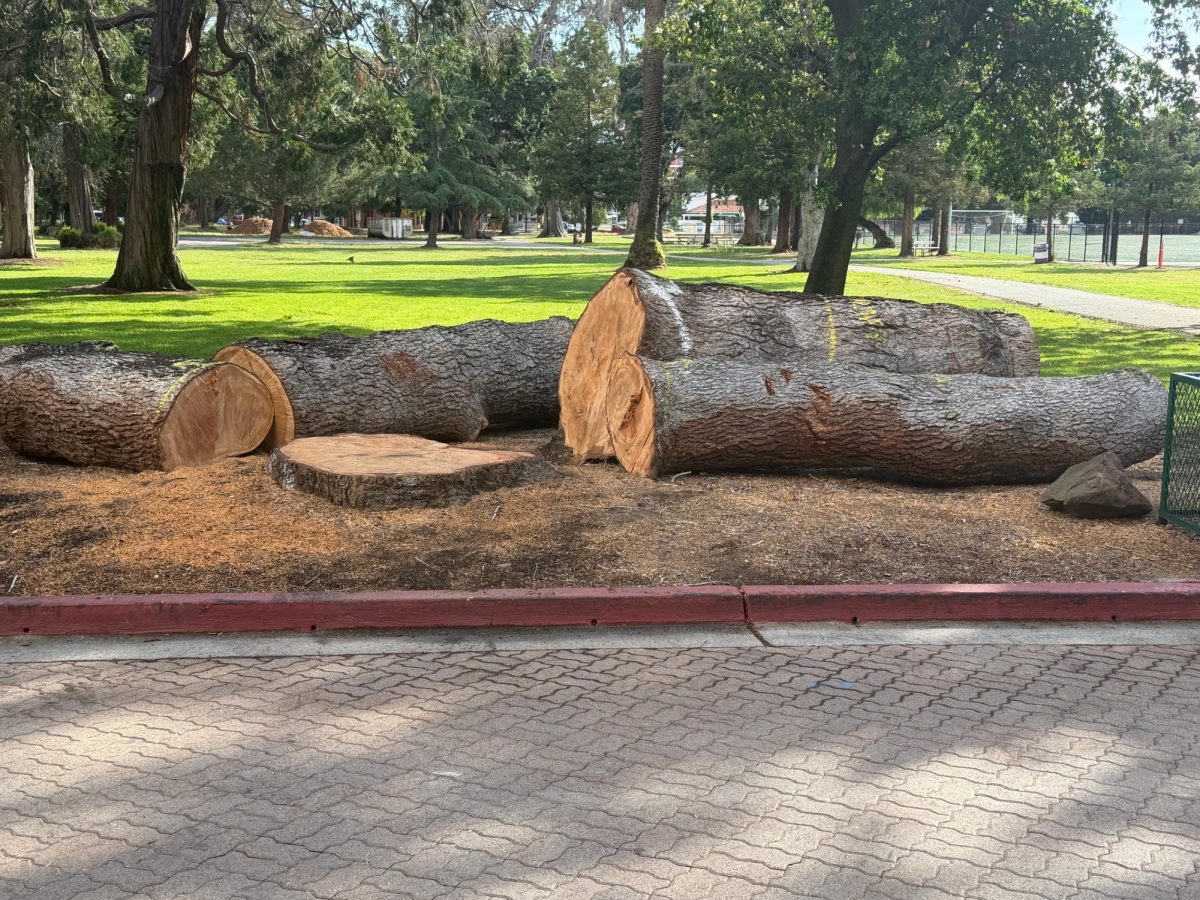
However, in 2014, funding was reallocated toward the community college system, leading to the dissolution of ROP at Sequoia. While some classes remained, such as woodshop, classes like auto shop, computer repair and hospitality were cut from the curriculum.
“They changed where that tax money went, and the ROP basically lost its funding, so it just went away,” Danielson said.
ROP was dissolved to better prepare students for both college and careers. The focus shifted toward helping students meet the A-G requirements and ensuring that graduates are eligible for admission to a four-year college. Career and Technical Education requirements were incorporated into the academic curriculum, and programs like the Health Careers Academy and Digital Arts Academy were developed to provide students with career exposure while also preparing them for postsecondary education.
Some students, however, feel that while this shift helps with college readiness, Sequoia could offer more opportunities to learn hands-on trade skills.
“I think that […] people should know how to do, or at least have a general understanding of [trade skills],” sophomore Kate Mcloughlin said.
McLoughlin is not alone in her interest in learning trade skills. An August 2025 survey found that over 35% of a sample of 200 Sequoia students surveyed said that they would be interested in taking a trade or ROP class, with many displaying interest in an autoshop or metalworking program.
Blue-collar careers like plumbers or metal workers usually need little to no higher education. Since college can have a burdensome cost that leaves many students with massive debt, trade school is a viable option for many who want to enter a career sooner and have less debt. According to a study from the Midwest Technical Institute, the average total cost for trade school typically ranges from roughly $3,800 to $16,000, including housing and books. Compared to the approximately $50,000 in-state or $200,000 out-of-state tuition to four year schools, trade schools offer an affordable alternative to university.
“I think [the trades] are an effective career path for people that aren’t interested in going to a four-year school,” sophomore Nikhil Rasiah said.
Due to the rise of AI, many white-collar jobs, such as data entry and customer service, are being taken over by this new 21st-century innovation. Due to the increasing prevalence of AI, many students are uncertain about which major to choose. This opens the door to the trades for many students.
“I think especially now is a good time to learn a trade. Artificial Intelligence is rapidly replacing technology jobs as well as jobs currently done by college graduates,” Sequoia allum John Johnson said.